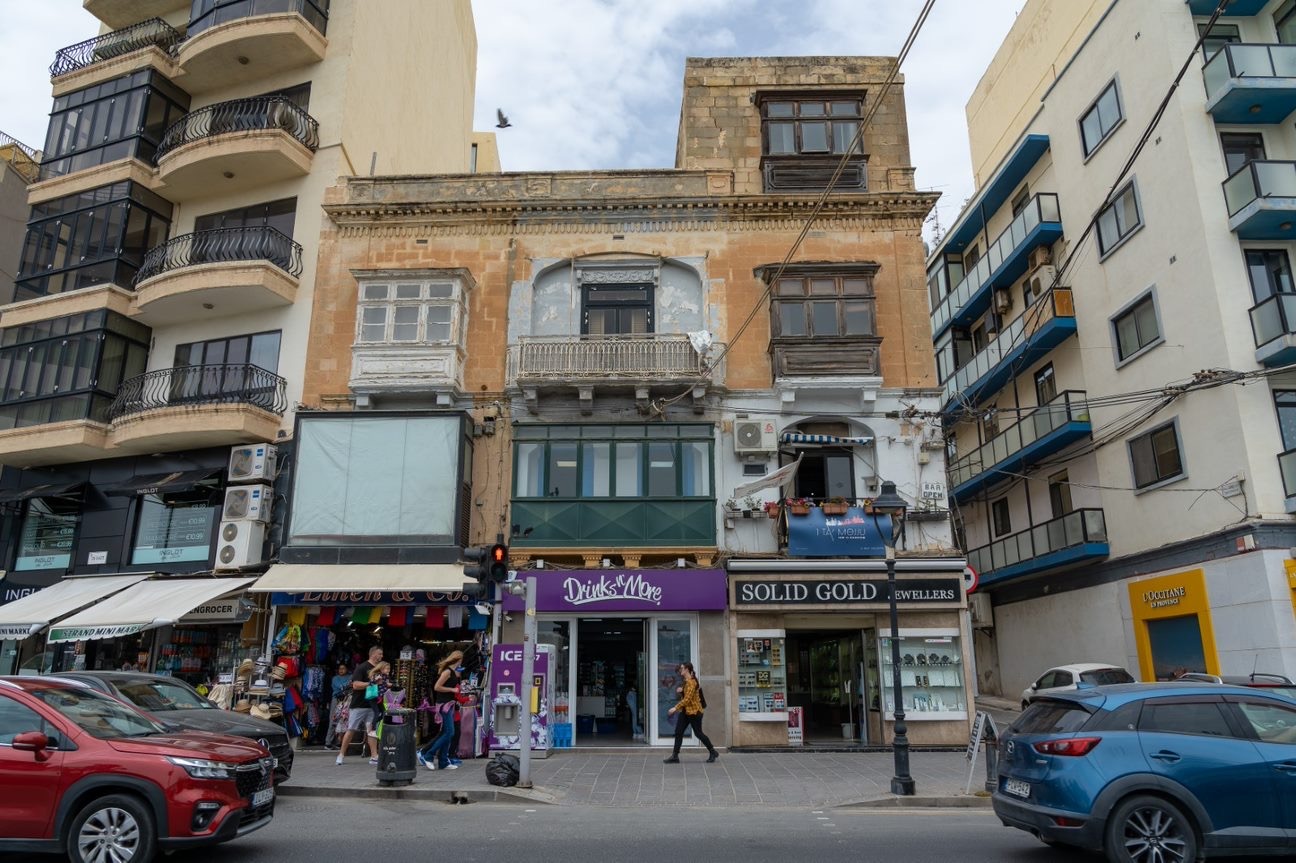
Sliema's vowed-to-keep facade joyfully demolishes itself in full, the permit hurrying to follow
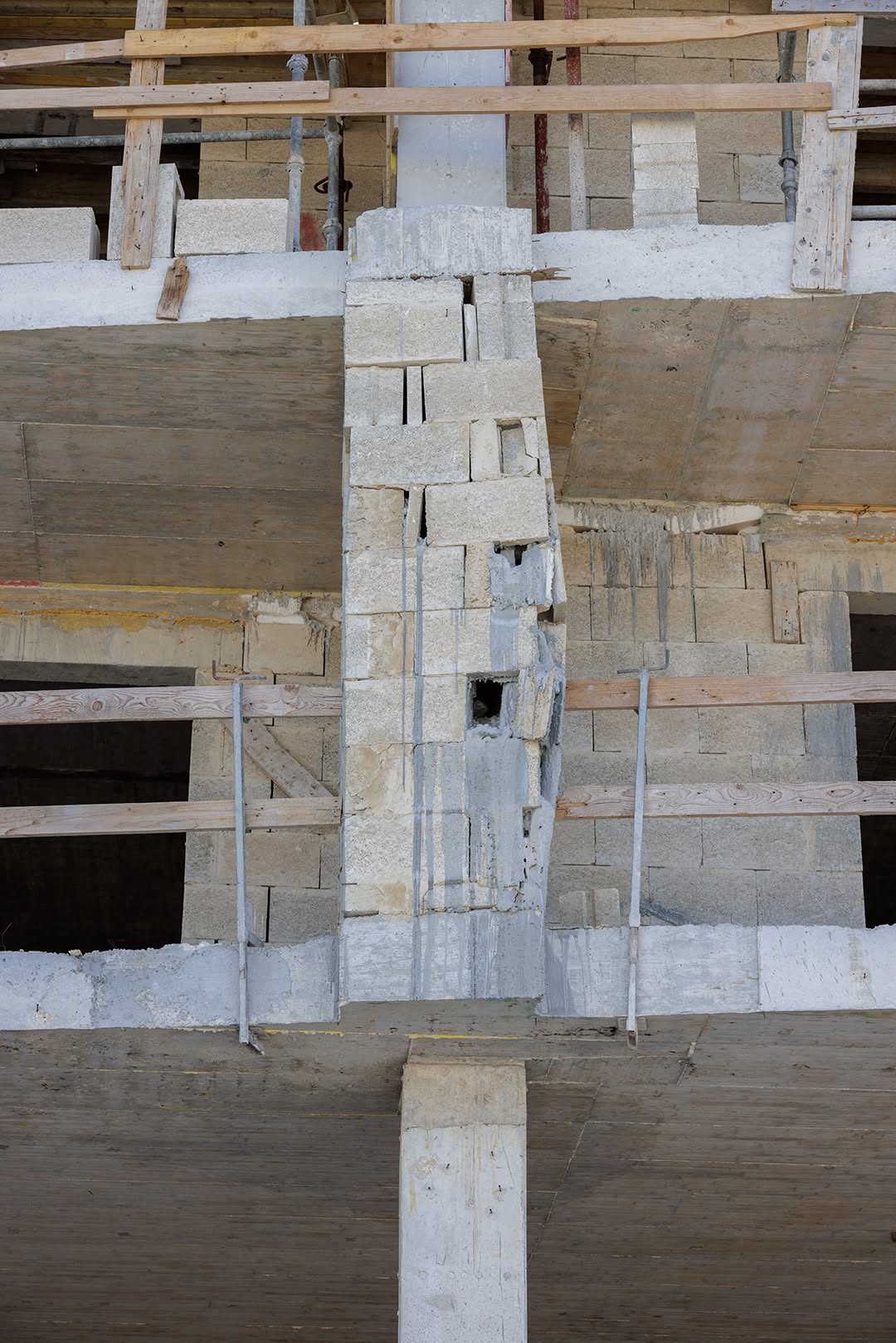
The permit said preserve 'the majority of the existing façades.' They are entirely gone, so the project has applied for permission to have demolished them, and grown two floors in the process.
The original permit was admirably clear, and we do love a clear promise. The hotel approved for the Sliema seafront, on the corner of Triq ix-Xatt and Triq San Vincenz, was to keep “the majority of the existing façades”: the timber gallarija, the worn limestone, the nineteenth-century frontage that had watched the promenade fill up for a century and a half.
It is gone. All of it. And here is the masterstroke. Rather than fumble through an awkward explanation of why a protected façade is suddenly missing, the project has simply applied for permission to have demolished it. Sanctioning, the paperwork calls it: the serene art of asking, after the fact, whether the thing you have already done might be alright.
A different layout, while we are at it
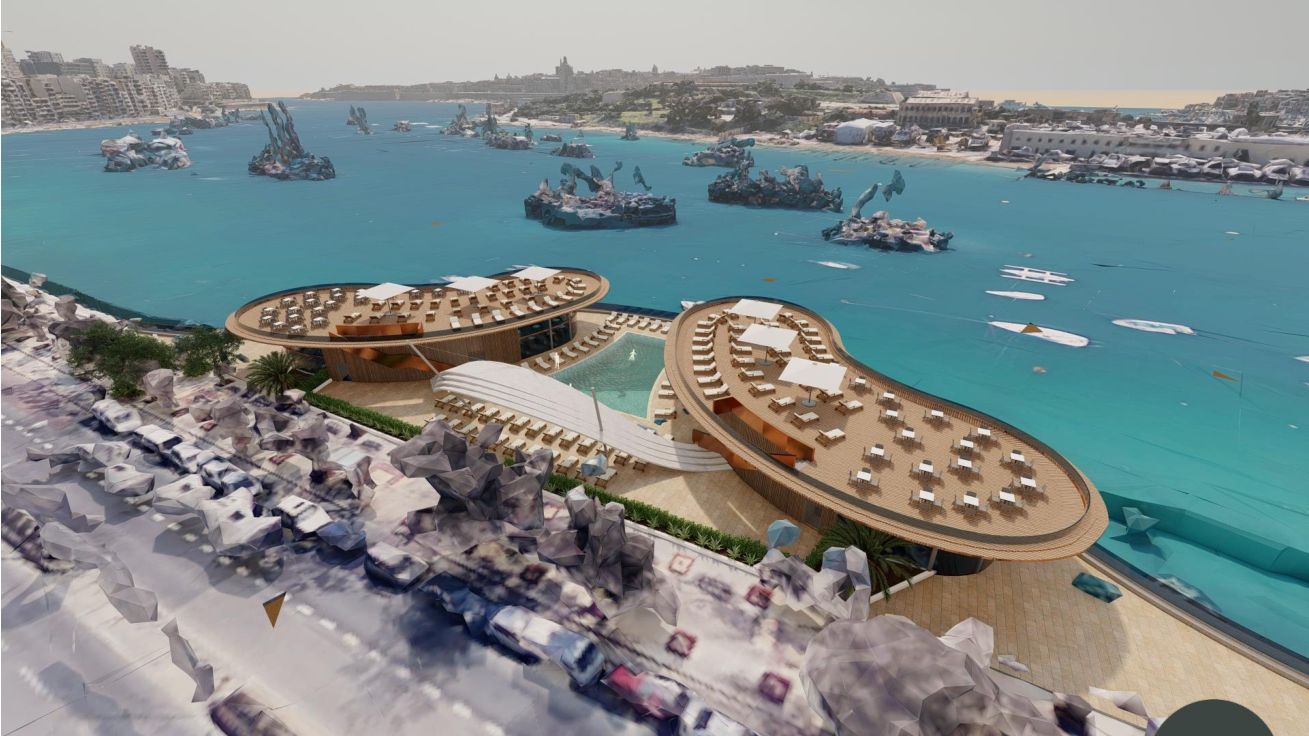
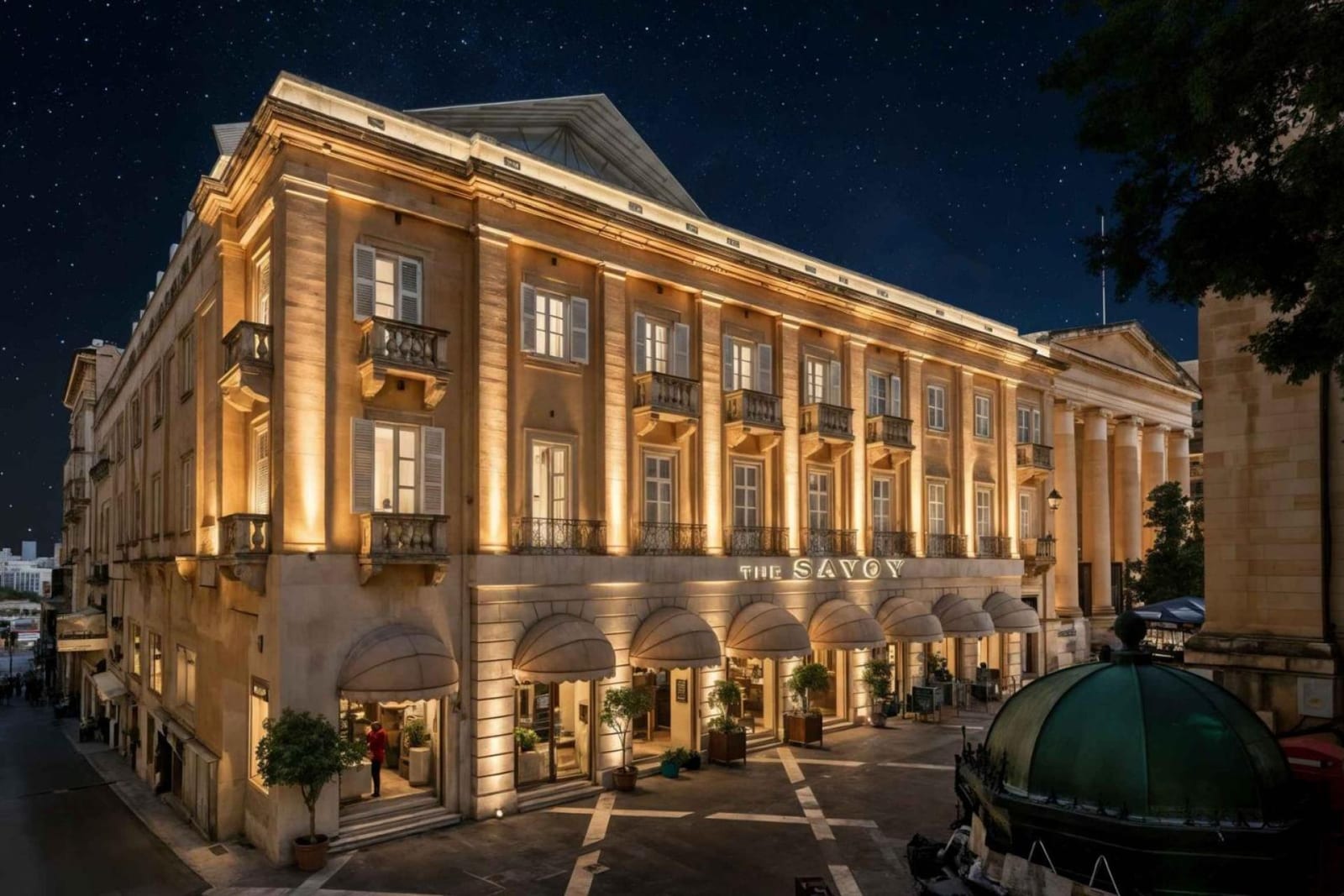
A clean slate this generous would be wasted on the old drawings, so the building returns “with a different layout from approved development permission PA2965/23,” in the Authority’s own gentle wording. A different layout means taller. Where fifteen storeys once rose behind a preserved face, there will be sixteen floors and a receded level above them, 124 hotel rooms stacked from the first floor to the fifteenth, three basements holding twenty garages, an indoor pool, a sauna, two restaurants at street level, a third near the summit, and a swimming pool on the roof. Of everything the plans promised to protect, the only part that actually left was the part they promised to keep.
Philosophers have the Ship of Theseus, the puzzle of whether a vessel whose every plank is gradually replaced is still the same vessel. Sliema offers the express edition: replace every plank at once, overnight, and file the result as faithfully preserved.
The flourish on top
Our favourite touch crowns the whole tower: a tent. A demountable one, pitched right at the summit, canvas where you might expect a parapet. The beauty of a demountable structure is its discretion, since it can be quietly taken down the very moment anyone official happens to look up, then put back the moment they look away. Heritage that folds flat is the heritage of the future.
The history, fully honoured
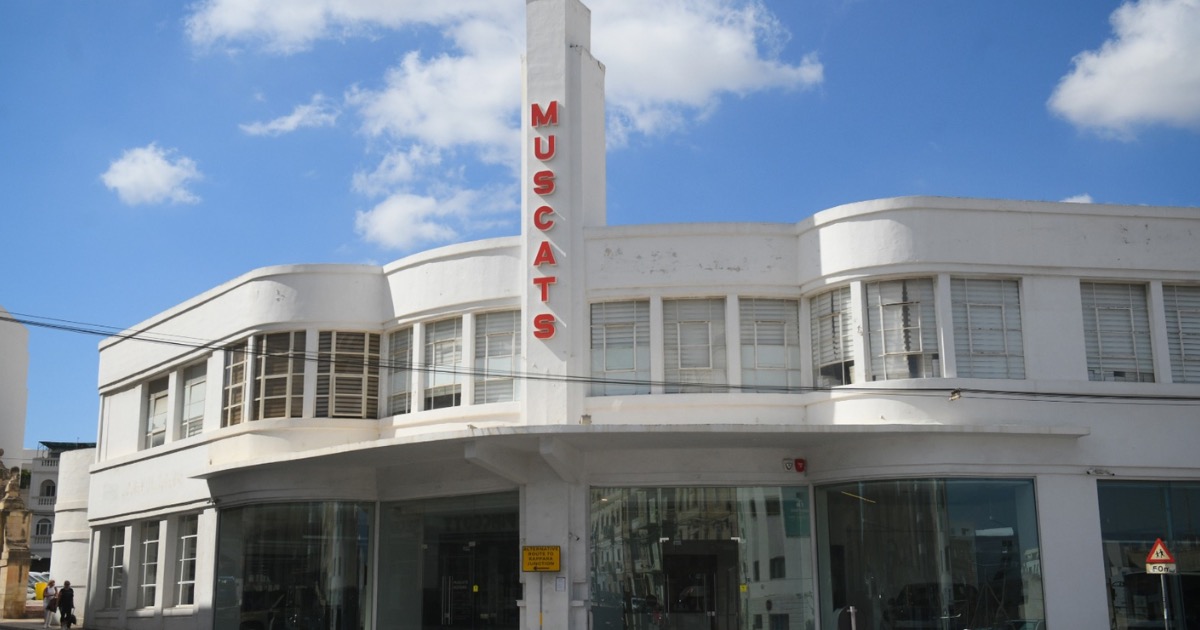
The Superintendence for Cultural Heritage observed that the building held “a degree of historical and architectural value.” That degree is now available in full, in photographs. In an earlier life the frontage was a Labour Party club; a nineteenth-century wall that outlasted war, weather and the whole of the twentieth century, retired at last by a clarification.
Some joyless types will insist that a preserved façade ought, ideally, to still exist; that sanctioning a demolition you vowed not to carry out simply rewards carrying it out; that the tidy thing would be to enforce the permit exactly as written. We find this relentlessly backward-looking. The wall had its century and a half. Surely that is plenty of history for one wall.