Valletta spares its old Savoy cinema the grim fate of a museum and makes it a 60-room hotel instead
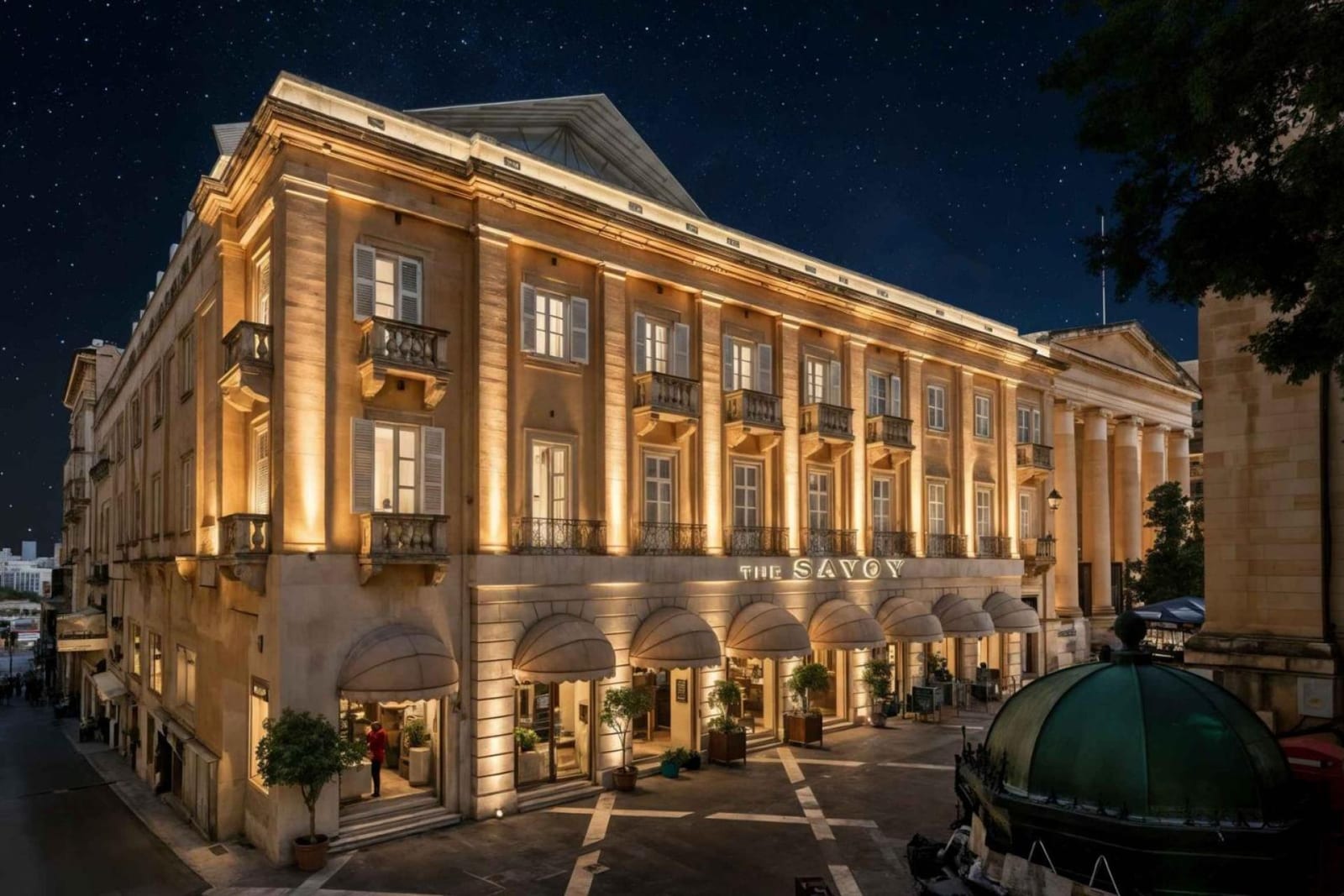
For thirty-five years the old Savoy showed Valletta the pictures. Spared the grim fate of becoming a museum, it reopens instead as a 60-room hotel above the supermarket, joining a capital already filling, floor by floor, with hotels.
Good news for Valletta: its old Savoy cinema has been spared the grim fate of a museum.
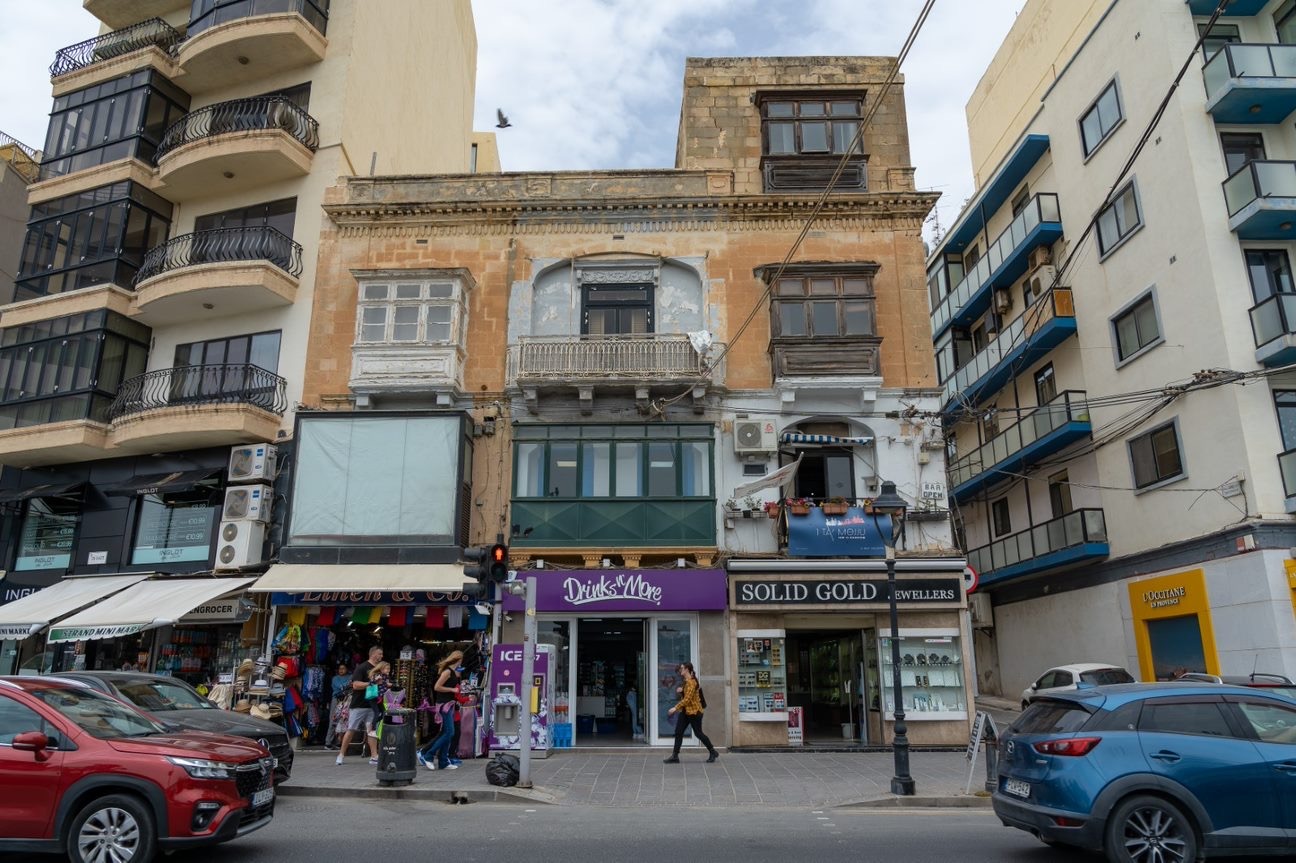
The old Savoy on Republic Street, a supermarket at ground level where the stalls once were, has booked its closing feature: a 60-room hotel. Where the capital once filed in to sit together in the dark, it will shortly check in, one keycard at a time, to a new top floor, a breakfast terrace, two pools, a wellness suite and a conference room.
Anything but a museum
There were those who asked, reasonably enough, why not a museum: somewhere the old building might simply sit, free to enter, quietly full of the past, and earning nothing. Valletta has wisely resisted. A museum asks the city only to remember; a hotel asks it to pay by the night, which is so much more forward-looking. The picture house keeps its handsome facade and sheds its purpose, and in fair exchange the capital gains the one thing it was still somehow short of: another hotel.
The last picture show
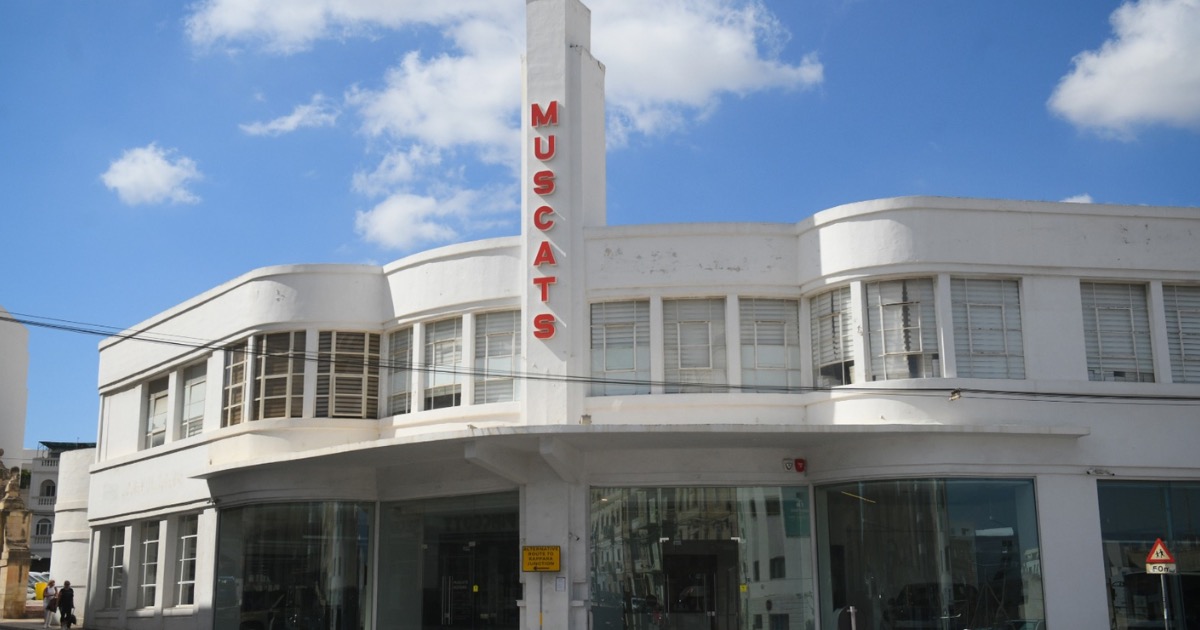
The walls have kept busy. They opened, in the sixteenth century, as Casa Caccia, a stately home; were flattened, alongside the neighbouring Auberge d’Auvergne, by a German parachute mine on 30 April 1941; rose again as the Savoy cinema, the Lower screen lighting up in 1951 and the Upper two years after, where the capital sat together in the dark until 1986; settled into a shopping arcade, then offices, and now, barely three years after that last refit, a hotel. Each booking a little quieter than the one before. Becoming a hotel is simply the final reel: the lights come up, the audience is asked to leave, and the room is let by the night. In the truest sense, the last picture show.
Held over, by popular demand
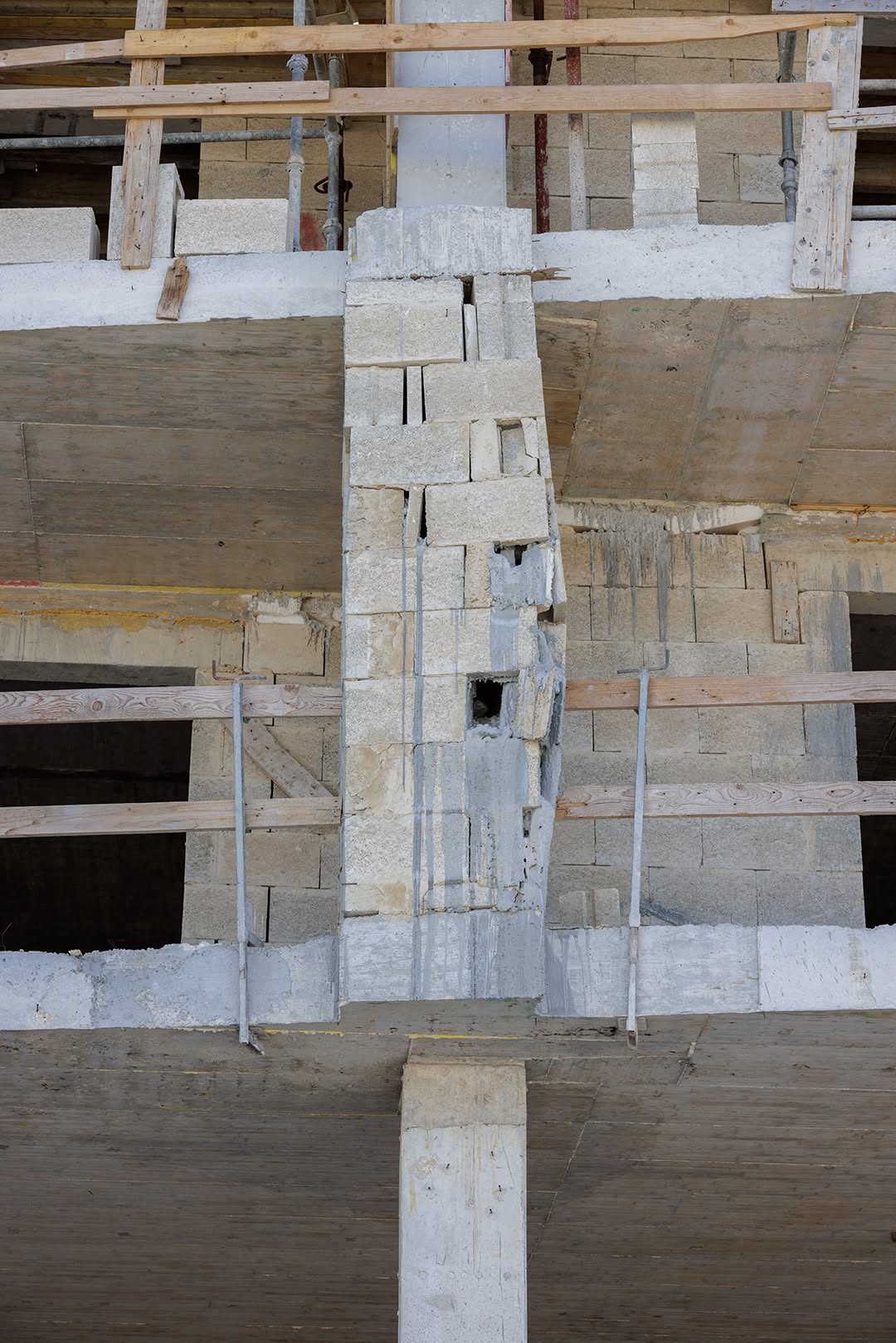
Valletta is quietly filling with hotels, each one resetting the marquee for the next. A 60-room hotel would once have been a landmark in so small a capital; today it registers as merely one of the larger ones, trailing the Embassy at 81 rooms and the new Ruby, opening this year on Strait Street at 88. To make room, structures on the third floor come down and a fourth goes up, a manoeuvre the application bills as a “better stepped transitioning massing” of the facade, the most graceful phrasing yet devised for getting taller in a city whose skyline of domes and belfries had run largely unchanged since the Order laid out its grid in 1566. The new floor, the plans helpfully note, should not be visible from the street. The rooms keep multiplying, and the city the Knights built to be lived in is re-rated, floor by floor, in keys.
The Savoy spent thirty-five years showing Valletta the pictures, then went dark. A museum would have asked the city only to look back; the hotel, far more usefully, asks it to check in.